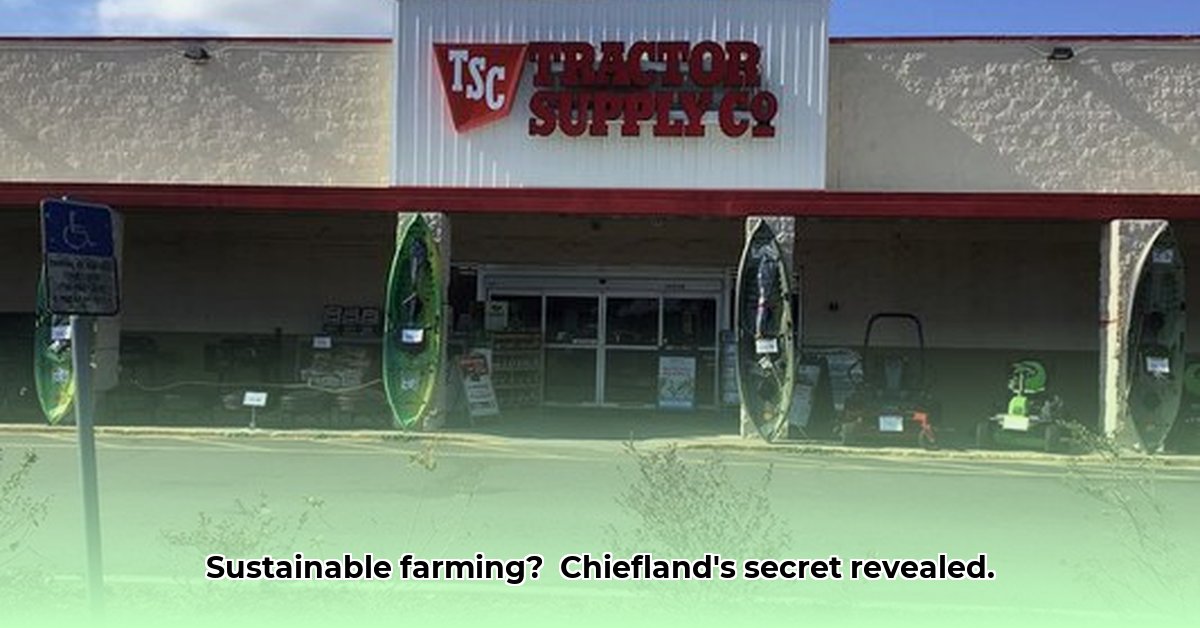
Tractor Supply Chiefland, Florida: A Local Resource for Sustainable Agriculture?
Tractor Supply Company (TSC) stores, like the one in Chiefland, Florida, serve as a primary source of supplies for many local farmers. But how effectively does TSC support sustainable agricultural practices in the Chiefland area? This analysis examines TSC's potential contribution to sustainable farming, acknowledging both its strengths and limitations. A comprehensive understanding requires further research, as detailed below. For more information on TSC's employment practices, see their daily pay info.
More Than Just a Convenient Location: TSC's Role in Chiefland
The accessibility of TSC presents a significant advantage for Chiefland farmers, particularly those operating smaller farms. The ability to procure essential supplies, from tools and seeds to animal feed and fencing, in a single location minimizes time and logistical challenges. This efficiency allows farmers to focus on other critical aspects of their operations. However, readily available supplies do not automatically equate to sustainable practices.
Evaluating Sustainability: Beyond the Products Themselves
The core question remains: what is TSC's tangible contribution to sustainable agriculture in Chiefland? While TSC offers a wide array of products, evaluating their overall environmental impact necessitates a thorough examination of their origin and production methods. Currently, there is a significant gap in available data concerning the sustainability of TSC's supply chain. Key questions remain unanswered: Are the fertilizers and pesticides sold truly environmentally friendly? Is the wood used in fencing sourced from sustainably managed forests? These questions are critical to assessing TSC's overall environmental footprint.
Beyond the products, the role of TSC employees in promoting and guiding customers on sustainable farming methods is paramount. Do employees actively promote and offer advice on eco-conscious practices? Is readily available educational material provided to empower farmers in adopting more sustainable practices? This aspect often remains overlooked but is crucial to a complete assessment.
Do you wonder if TSC's influence extends to actual changes in farming practices? This crucial question warrants investigation.
Addressing the Data Gap: Needed Research and Transparency
To gain a clearer understanding of TSC's impact, significant additional research is needed. A comprehensive audit of TSC's supply chain is essential to identify potential environmental impacts throughout the production process, from origin to shelf. Making this data publicly available would empower consumers and farmers alike to make informed purchasing decisions.
Further investigation into customer buying patterns would provide crucial insight. Are farmers increasingly purchasing more eco-friendly options? Are they actively seeking guidance on sustainable agriculture from TSC staff? This data would provide a real-world measure of TSC's influence on sustainable practices in Chiefland.
Actionable Steps Towards a More Sustainable Future: A Call to Collaboration
Bridging the knowledge gap and fostering a more sustainable agricultural ecosystem in Chiefland requires a concerted effort from multiple stakeholders:
For Tractor Supply: Conduct a transparent audit of the entire supply chain, meticulously assessing the environmental impact of each product category. Publicly release this data to enable community review and informed decision-making. Partner with local sustainability organizations to enhance employee training and provide comprehensive resources for farmers.
For Chiefland Farmers: Actively seek sustainably produced goods. Inquire about product origins and production methods. Demand transparency and actively support businesses with a demonstrable commitment to environmental responsibility.
For the Chiefland Community: Support local initiatives that advocate for sustainable agriculture. Encourage all local businesses to openly communicate their environmental practices and advocate for policies that promote sustainable farming within the region.
The Potential for Positive Change: A Collaborative Future
Tractor Supply in Chiefland possesses significant potential to contribute to the advancement of sustainable agriculture. Its extensive product range and central location position it uniquely to influence farmer choices. By prioritizing transparency, engaging actively with the community, and fostering collaboration, TSC, farmers, and the wider Chiefland community can work together to build a more environmentally responsible agricultural ecosystem. However, this requires a commitment to data-driven decision-making and a willingness to address any identified shortcomings. Continued research and open dialogue are absolutely essential to achieving these shared goals.
How to Evaluate Tractor Supply's Sustainability Initiatives: A Practical Framework
A comprehensive evaluation of Tractor Supply's sustainability initiatives requires a multifaceted approach:
Assessing TSC's Environmental Impact: A Structured Approach
Product Sourcing and Supply Chain Transparency: Investigate product origins, examine certifications (e.g., organic, sustainably harvested), assess packaging materials (recycled content, waste reduction), and analyze supplier sustainability practices.
Energy Efficiency and Waste Management: Observe the Chiefland store's energy-saving measures (lighting, HVAC), assess their waste management practices (recycling, composting), and determine the extent of their waste diversion programs.
Community Engagement and Support: Investigate TSC's involvement in local agricultural initiatives, partnerships with sustainability organizations, and gather feedback from local farmers regarding TSC's support for sustainable farming methods.
Data Collection and Reporting: Request sustainability performance metrics from Tractor Supply, review publicly available sustainability reports, and compare their data with industry benchmarks.